
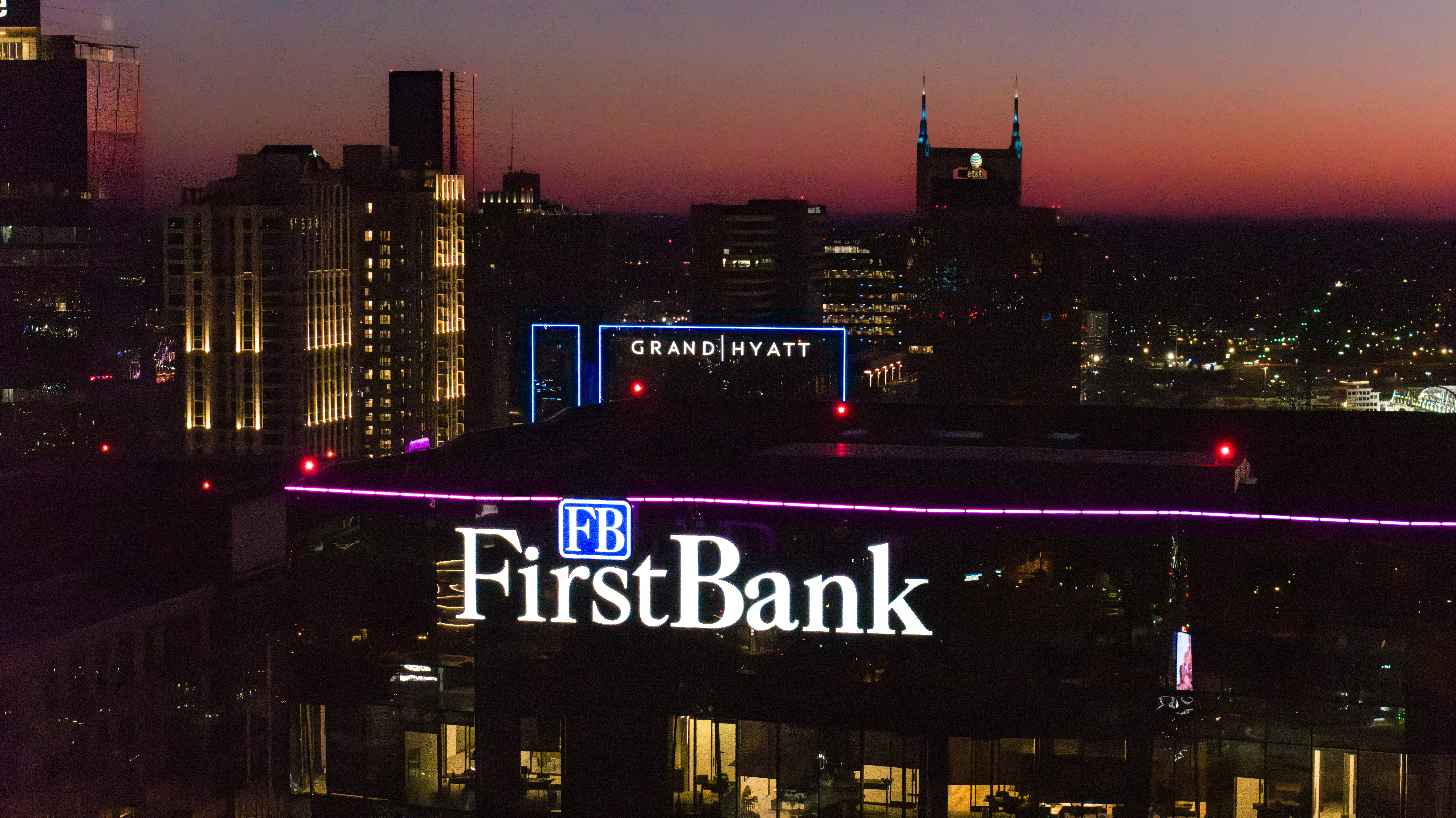
A Beginner’s Guide to Downtown Nashville Sign Codes (and How to Stay Compliant)
Opening a business or updating your signage in Downtown Nashville comes with unique rules and regulations. The city’s Downtown Code sets standards for everything from wall signs to monument signs, changeable copy, and illuminated signage. While this guide gives an overview, it’s always best to work with your expert sign company—like Ortwein Sign—to ensure your project meets the latest requirements.
Source: Nashville.gov. Downtown Code 17.37, Section V: Sign Standards.
1. Understanding the Purpose of Sign Standards
Nashville’s sign regulations aim to:
- Improve business identification downtown
- Encourage creative, visually appealing signs that align with the Downtown Community Plan
- Promote economic vitality while reducing visual clutter
- Ensure signs complement building architecture and enhance the overall streetscape
In short, the goal is a Downtown that’s both functional and aesthetically pleasing for residents, visitors, and businesses.
2. Which Properties Do the Rules Apply To?
These standards apply to all properties zoned DTC (Downtown Code) and not part of a historic zoning overlay. Additionally, signs must comply with broader sections of the Metro Zoning Code, including:
- General sign regulations
- Permitted and prohibited signs
- Temporary signs
- Landmark signs
- Sign permit procedures
Tip: Always double-check with a professional sign company to navigate these overlapping rules.
3. Permits and Common Sign Plans
All signage typically requires approval from the Codes Department. Submissions should include:
- Detailed design drawings with dimensions, materials, and lighting info
- Building elevations or renderings showing placement
- A site plan indicating the location of all signs
- Contact info for property owner, designer, and applicant
For multi-tenant developments, a common signage plan ensures a consistent style, color scheme, materials, and proportional allocation for each tenant.
4. Types of Signs and Their Rules
- Wall Signs: Mounted flat or parallel to the facade. Must not block windows or extend above rooflines.
- Awning Signs: Painted or integrated graphics on first- or second-story awnings. Externally illuminated only.
- Canopy Signs: Mounted on canopies, may be internally or externally illuminated, with strict dimensional limits.
- Projecting Signs: Extend perpendicular from the building, typically over entrances. Must maintain minimum spacing and height requirements.
- Shingle Signs: Small hanging signs near pedestrian entrances. Cannot be internally illuminated and have strict area/height limits.
- Monument (Ground) Signs: Pedestal-mounted, setback from property lines, with height limits based on street type.
- Skyline Signs: For buildings over 75 feet, limited to the top third of the building. Typically internally illuminated, no exposed raceways.
Note: Nashville allows temporary signs, murals, and certain auto-oriented canopy/awning signage with additional guidelines.
5. Special Rules: Changeable Copy & Illumination
Manual Changeable Copy: Can be part of wall, pylon, or monument signs. Updated manually.
Electronic Changeable Copy: Only up to 50% of the sign area; must meet brightness and spacing rules, with minimum display duration for messages.
Illumination Guidelines:
- External lighting must minimize glare
- Internal lighting allowed for channel letters; cabinet backgrounds must be opaque
- Blinking or flashing lights are generally prohibited outside Printers’ Alley
6. Why Work With a Sign Company
Navigating Nashville’s Downtown Code can be tricky. A professional sign company ensures your signs are:
- Fully compliant with current regulations
- Designed to maximize visibility and aesthetics
- Installed safely and efficiently
Contact Ortwein Sign Nashville today for a consultation or to start your next signage project.
References
Nashville.gov. Downtown Code 17.37, Section V: Sign Standards.