
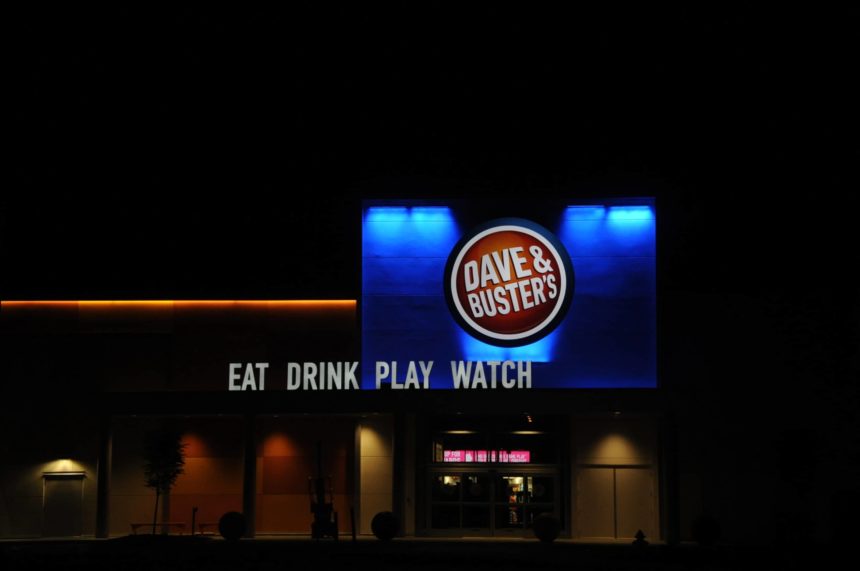
When choosing between LED and neon signage, most businesses are really asking a few key questions:
- Which one costs less over time
- Which lasts longer
- Which is better for my specific application
Both LED and neon signs are effective lighting solutions, but they differ significantly in performance, maintenance, and long term value. Below is a practical, real world comparison to help you make the right decision.
LED vs Neon: Quick Comparison
- Best for cost savings: LED
- Best for classic aesthetic: Neon
- Longest lifespan: LED
- Lowest maintenance: LED
- Best for artistic or vintage appeal: Neon
The Benefits of LED Signs

What Are LED Signs?
LED stands for Light Emitting Diode, a semiconductor that produces light when current passes through it. LEDs are widely used across industries from automotive lighting to digital displays and have become the standard for modern signage. Learn more about LED signs here.
What Are Neon Signs?
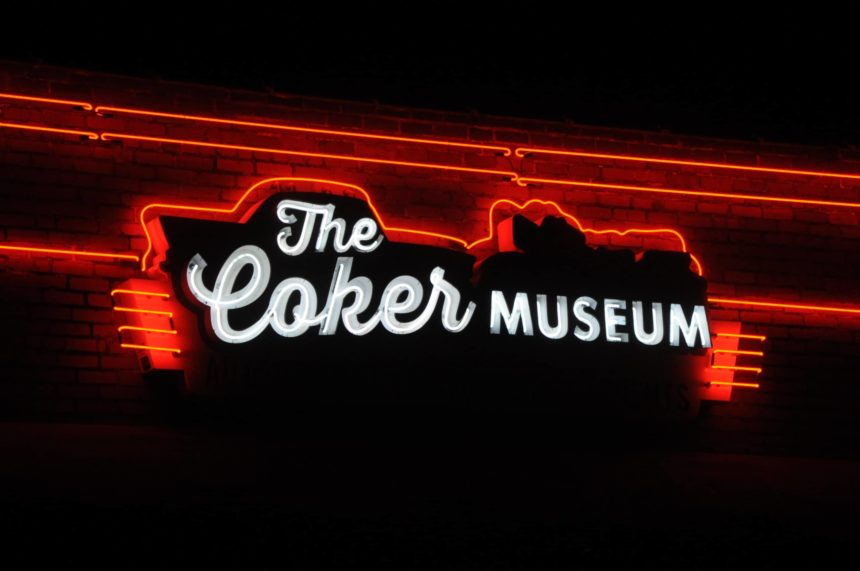
Neon signs use gas-filled glass tubes with electrodes at each end. When high voltage is applied, the gas emits light. Neon signs have been used in signage for nearly a century and are known for their warm glow and handcrafted appearance.
Cost Comparison: LED vs Neon Signs
Costs for both LED and neon signage can vary widely depending on size, complexity, and installation requirements. However, the biggest difference shows up over time.
Upfront Cost
Both LED and neon signs can have similar initial costs depending on customization.
Long Term Cost
LED signs typically have lower operating and maintenance costs.
Maintenance Costs
Neon signs often require more frequent repairs due to fragile components and aging electrical systems.
According to industry guidance from the International Sign Association, total cost of ownership including maintenance and energy use is a critical factor when evaluating signage investments.
Lifespan: How Long Do LED and Neon Signs Last?
LED Signs
Typically rated between 50,000 and 100,000 hours based on manufacturer data and research from the U.S. Department of Energy.
Neon Signs
While neon can last for years, real world lifespan is often shorter due to factors like weather exposure, tube breakage, and transformer wear.
In practice
LED systems generally last significantly longer with fewer service interruptions.
Energy Efficiency
Energy usage is one of the biggest differences between LED and neon.
According to the U.S. Department of Energy, LED lighting can use up to 75 percent less energy than traditional lighting technologies. This makes LED signage a more cost effective option for businesses running signs for long hours or continuously.
Maintenance and Repair Realities
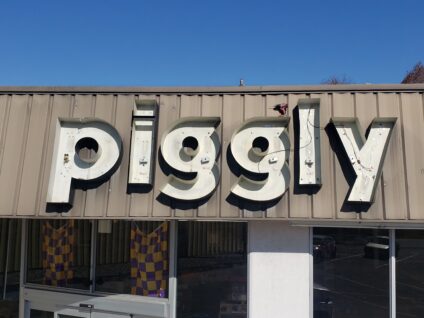
This is where the differences become very noticeable in real world applications.
LED Signs
- Modular components make repairs easier
- Fewer service calls over time
- More resistant to weather and vibration
Neon Signs
- Glass tubes are fragile and can crack or break
- Repairs often require specialized labor
- A single failure can affect a large section of the sign
From our experience servicing signs across Tennessee, our project management team has found that LED systems consistently require less maintenance, especially for outdoor applications exposed to weather and debris.
LED Pros and Cons
Pros
- Extremely long lifespan
- Low energy consumption
- Durable and weather resistant
- Wide range of colors and brightness levels
- Low maintenance requirements
Cons
- Higher upfront investment in some cases
- Light can be more directional
- Quality varies between manufacturers
Neon Pros and Cons

Pros
- Unique, warm glow and visual appeal
- Ideal for vintage or artistic designs
- Custom shaped glass tubing
Cons
- Higher maintenance costs
- Fragile construction
- Less energy efficient
- Limited color flexibility compared to LED
- Repairs can be more complex
Best Use Cases: LED vs Neon
When to Choose LED
- Retail storefront signage
- Outdoor signs exposed to weather
- High visibility branding
- Businesses looking to minimize maintenance costs
When to Choose Neon
- Bars and restaurants
- Interior decorative signage
- Vintage or retro branding
- Custom artistic displays
LED and Neon Signs in Tennessee

In areas like Chattanooga and Nashville, weather conditions including humidity, temperature changes, and storms can impact sign performance.
LED signage tends to perform better long term in outdoor environments due to its durability and resistance to environmental factors, while neon is often better suited for controlled indoor or decorative applications.
Frequently Asked Questions
Are neon signs more expensive to run than LED?
Yes, neon typically uses more electricity and requires more maintenance over time.
Do LED signs last longer than neon?
In most applications, yes. LED systems have a longer rated lifespan and fewer failure points.
Can neon signs be repaired?
Yes, but repairs often require specialized expertise and can be more costly than LED repairs.
Are LED signs brighter than neon?
Generally, yes. LEDs offer higher brightness and better visibility, especially outdoors.
Which Is Better: LED or Neon?
There is no one size fits all answer but for most modern business applications:
- LED is the better long term investment due to efficiency, durability, and lower maintenance
- Neon remains valuable for its aesthetic and artistic qualities
Need Help Deciding?
Choosing the right sign depends on your brand, location, and long term goals.
At Ortwein Sign, we help businesses evaluate the real world performance, cost, and maintenance of their signage — not just the specs on paper. Whether you are considering LED, neon, or a combination of both, our team can guide you to the best solution for your needs.
Contact us today to get started!