
Vinyl in the Sign Industry: Uses, History, and Applications
For many, the term vinyl may evoke music records and LPs; however, for those of us in the sign industry, vinyl brings to mind all the versatile applications of this malleable plastic. This can include everything from window graphics and sign faces to awnings and more. Vinyl’s adaptability makes it nearly ubiquitous in the signage world. In this blog, we discuss vinyl’s history, its popularity, and highlight its many uses in the sign industry.
What is Vinyl?
Vinyl is a synthetic material composed of chlorine and ethylene. When these are chemically bonded, they form polyvinyl chloride (PVC), a durable and versatile plastic.
When Was Vinyl Discovered?
According to ThoughtCo.com’s History of Vinyl, German chemist Eugen Baumann invented polyvinyl chloride (PVC) in 1872. Since then, it has become the second most produced type of plastic worldwide and a boon for the sign industry and businesses alike.
Vinyl has a wide range of applications, from car wraps to exterior and interior signage, including first- or second-surface printing. Today, we discuss how Ortwein Sign uses vinyl, its applications, and its impact on business signage.
How Did Vinyl Become a Key Component of Signage?
As many sign companies transitioned from hand-painted signs to more modern production, vinyl became a faster, more cost-effective option for applying logos and designs. While investing in vinyl equipment and infrastructure requires upfront costs, it saves money over time compared to hand painting. Advancements in computers and digital printers accelerated this transformation, making vinyl one of the most widely used materials in signage.
When Was Vinyl First Used for Signage?
According to 3M’s article “Vinyl: A History” in Signs of the Times Magazine, vinyl was first applied to signage in Minnesota in the late 1930s as a reflective coating on roadside signs.
Most Common Uses of Vinyl in the Sign Industry
- Flex Face & Pan Face Signs
- ACM Signs
- Window Graphics (First-surface and Second-surface vinyl)
- Channel Letters
Sign Types That Incorporate Vinyl
Channel Letters
A standard channel letter is a three-dimensional sign element used for eye-catching signage. Typically crafted from rust-resistant aluminum, the process involves cutting the back panel with a computer-controlled router, painting, and adding lighting elements like neon tubes or LEDs. Illuminated letters grab attention effectively at night.
Pan Faces

Pan Face signs are molded plastic sign faces offering a cost-effective signage option. They are versatile, customizable, and widely used, second only to channel letters.
Flex Faces
Flex Face signs are made from durable, flexible vinyl stretched over a frame. Ideal for larger signs, they withstand various weather conditions without cracking.
Cloud Signs
Cloud signs mimic connected, illuminated channel letters. Popular for storefronts, they provide an affordable, impactful branding option.
Window Signs
First-Surface Window Vinyl
First-surface window vinyl is applied to the front of glass, reducing glare and enhancing visibility.
Second-Surface Window Vinyl
Second-surface window vinyl is applied to the back of glass, shielding it from weather and vandalism while still displaying graphics externally.
Commercial Vehicle Graphics and Wraps
Commercial vehicle graphics and wraps involve applying vinyl to part or all of a vehicle. This can change its color or add custom graphics for personal or commercial use.
Awnings

Awnings often use vinyl, held in metal frames, with optional logos or graphics for branding.
Regulatory Signs
Regulatory signs are non-illuminated road signs communicating traffic rules, e.g., Stop, Yield, or Railroad Crossing signs.
ACM Panels
ACM (Aluminum Composite Material) panels are layered signs made from aluminum sheets with a polyethylene core.
Different Types of Vinyl
1. Wrap Vinyl
Used for vehicle graphics on personal cars or commercial fleets.

2. Cast Vinyl
More stretchable due to higher polyester content.
3. Translucent Vinyl
Used for backlit signs where light needs to shine through.
4. Opaque Vinyl
Used for general applications except where light needs to pass through.
5. Perforated Vinyl
Displays graphics on the outside while allowing people inside to see out.
First Surface vs. Second Surface Vinyl
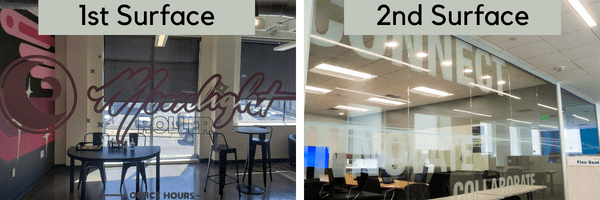
First surface: Applied to the front of material to reduce glare.
Second surface: Applied to the back, shielding it from weather, vandalism, or external damage.
How Long Does Vinyl Last?
Vinyl longevity depends on placement, exposure to elements, and frequency of contact.
How Can I Increase the Life of My Vinyl?
While not applicable in all cases, lamination can help preserve vinyl and extend its useful life.