
Why Sign Placement Isn’t Always Simple
Many business owners assume a sign can be placed wherever it will be most visible. However, several factors determine where signage can legally and safely be installed. For both new businesses and national sign companies managing projects across multiple locations, sign placement can sometimes be more complicated than expected.
Local regulations, property conditions, and safety requirements can all influence where signage can ultimately be installed. Two of the most common issues that affect sign placement are easements and setback requirements, along with visibility concerns for drivers and nearby roadways. Understanding these factors early can help prevent project delays, permit issues, and costly redesigns.
Why Sign Permits Sometimes Get Denied
When a sign permit is rejected or requires changes, it is often due to placement issues rather than the design itself.
Common reasons sign permits get denied include:
- The sign is located inside a utility easement
- The sign does not meet required setbacks from the road
- The sign blocks driver visibility at an entrance or intersection
- The sign interferes with access to utilities or drainage areas
These requirements exist to ensure public safety, infrastructure access, and proper traffic visibility.
What Is an Easement?
An easement is a designated portion of a property that allows access for utilities, drainage, or neighboring properties even though the land may be privately owned.
Common easements that affect signage include:
- Utility easements for underground or overhead lines
- Drainage or stormwater easements
- Access easements for neighboring properties
- Municipal or roadway access areas
Because these areas must remain accessible for maintenance and safety, permanent structures like signage usually cannot be installed within them.
In some cases, businesses may not even realize an easement exists until a survey or permit review identifies it.
What Are Sign Setbacks?
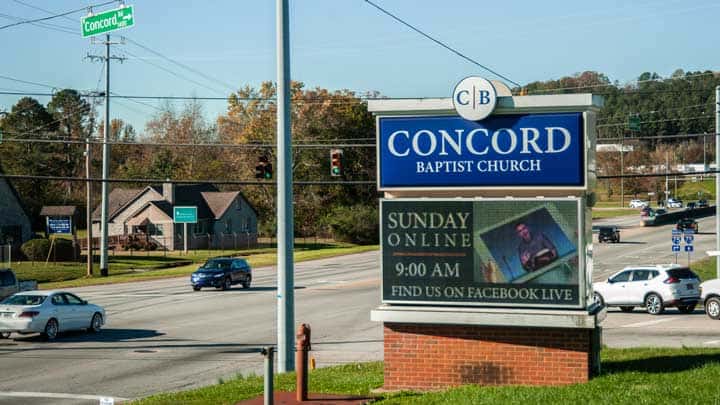
A setback is the required minimum distance between a structure and a roadway, property line, or right-of-way.
Setback rules vary by municipality and can be measured from different reference points such as:
- The property line
- The edge of the road
- The centerline of the road
Local rules determine how far signs must be from the roadway, which can range from just a few feet to well over 20 feet.
This means the ideal visual location for a sign may not always be the location permitted by local codes.
Visibility and Traffic Safety Considerations
Another factor that can affect sign placement is driver visibility.
Local regulations often require clear sightlines for vehicles entering or exiting a property. If signage blocks the view of oncoming traffic, the location may not be permitted.
Other safety considerations can include:
- Visibility at intersections
- Maintaining clear sightlines for drivers leaving driveways
- Clearance for delivery trucks or wide-load vehicles
- Avoiding obstructions near roadways
These rules help ensure safe traffic flow and prevent potential hazards.
Common Sign Placement Mistakes
Several common issues can affect where a sign can be installed.
- Installing signs inside utility easements
This can prevent maintenance crews from accessing underground utilities. - Ignoring setback requirements
Signs placed too close to roadways or property lines may not meet local regulations. - Blocking driveway visibility
Signs that obstruct a driver’s line of sight when leaving a property can create safety concerns. - Not accounting for vehicle access
Large trucks, delivery vehicles, or wide loads may require additional clearance when entering a property.
Planning ahead helps avoid these challenges before installation begins.
Why Sign Placement Can Be Challenging for National Projects
For national sign companies and project managers coordinating installations across multiple cities or states, placement rules can vary significantly between jurisdictions.
What is allowed in one municipality may not be permitted in another.
This is why many national sign companies rely on local installation partners who understand regional regulations and site conditions.
Working with experienced installers can help identify potential issues early and keep projects moving forward smoothly.
How Ortwein Sign Helps Avoid Placement Issues
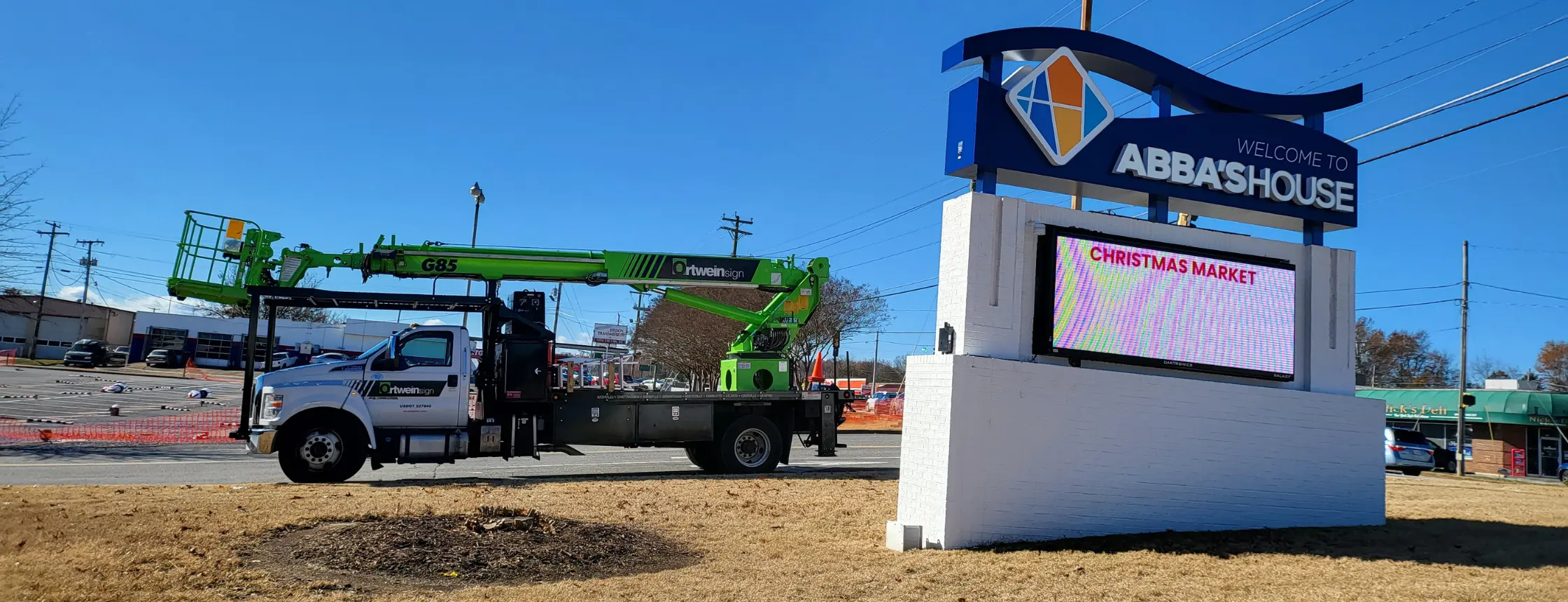
At Ortwein Sign, we work closely with project managers, sign companies, and business owners to evaluate site conditions before installation begins.
Our team helps identify potential placement challenges such as:
- Easements that may affect sign location
- Setback requirements based on local regulations
- Visibility concerns related to driveways or intersections
- Installation logistics for large or complex signage
By addressing these factors early, we help ensure signage is installed correctly and projects stay on schedule.
Conclusion
Planning sign placement involves more than choosing the most visible location on a property. Easements, setbacks, and safety considerations can all affect where signage can ultimately be installed.
Understanding these factors early in the process helps avoid delays and ensures a smoother installation experience.
Working with an experienced installation partner can help identify potential issues before they become costly problems.
Frequently Asked Questions About Sign Placement
Can I place a sign anywhere on my property?
No. Easements, setback requirements, and local zoning regulations may limit where signage can be installed on a property.
Why would a commercial sign permit be denied?
Sign permits are often denied when signage is placed within an easement, too close to a roadway, or in a location that blocks driver visibility.
How far does a sign have to be from the road?
This varies by municipality. Some cities require signs to be several feet from the roadway or property line, while others may require larger setbacks depending on the road type.
What should I check before planning a sign installation?
Before planning a sign installation, it is important to review property surveys, easements, local setback requirements, and traffic visibility concerns.